“The waiting is the hardest part” he said.
My neurosurgeon was right
THE BEGINNING
September 5th
On Friday September 5th 2026 I saw my doctor. The previous week I had a terrible headache for about 5 days. It was at its worst during a short trip to the Snowy Mountains. Although the throbbing pain had subsided by Friday. I decided to see my doctor anyway since I had to get my regular blood test results. I mentioned to her my unusual pulsing headache and the feeling of pressure in my head the past few days. She told me it sounded unusual and told me to have a CT scan done. I had a nice weekend with my family. Now that I think about it, yes, I had a slight headache the whole weekend, but because it wasn’t so intense I thought I was fine.
September 8th
Monday September 8th – I remember waking up on Monday morning without a headache anymore, but I still wanted to get the scan done just to be safe. I called to make an appointment at 2.45PM. I had to fast for 4 hours prior to the scan. So I had breakfast and went to work as usual. I was hungry because I couldn’t eat lunch, so I planned to have my CT scan at 2:45 and then grab some food before returning to work.
When I went in for the CT scan, everything seemed pretty normal. I got the scan done and I was told my doctor would receive the results the next day. So I paid for the can and left. Thinking, ‘finally, I can go and eat something’. It was after 3pm and I had been waiting to have lunch. As I was walking around thinking of what to eat, I received a phone call. The receptionist said that the doctor would like me to come back for an MRI. I felt uneasy.
I had never been in an MRI machine before. I removed all my jewellery again and changed into a gown. I was told it would be noisy in the MRI and given headphones that played music. I tried focusing on my breathing for the 30 minutes I was in there. It was a strange experience. I had so many thoughts running through my mind, but I was also distracted by the loud noises that the MRI machine made. It was like a construction site, EDM music and a cartoon alien invasion mixed together.
After that weird experience, I had to see the doctor. When I heard “Is there someone you can call?”…I felt sick, I knew something was wrong. Long story short – I was told there was a growth in my brain – in the right frontal lobe. The doctor advised me to go to the hospital ASAP. I didn’t have anyone with me, so I called my fiance at the time, now husband. He was at work, close by to the imaging centre and he rushed to me.
It’s a very confronting thing to think about death. At that time, I didn’t know what exactly my tumour was and all the worst case scenarios circled in my head. I was very aware of everything around me. I thought what if I die soon…? Will surgery be risky? What if I never see the sky again? But on the outside I was calm and silent. Just processing my thoughts on the drive to the hospital.
After a long night in emergency, waiting for the neurosurgeon to come see me, I finally saw the MRI of my brain. One of the neurosurgeons explained to me and my family where the tumour was and what that meant for me. I would be staying in the hospital until I had brain surgery. I stayed overnight, barely able to sleep, as I was given steroids to reduce the swelling in my brain.
The next morning I was told that I would most likely go in for surgery that day. I wouldn’t be able to eat anything after breakfast…again. To prepare for surgery you have to fast. I was so hungry while waiting the whole day…I was also on steroids which makes you feel even more hungry.
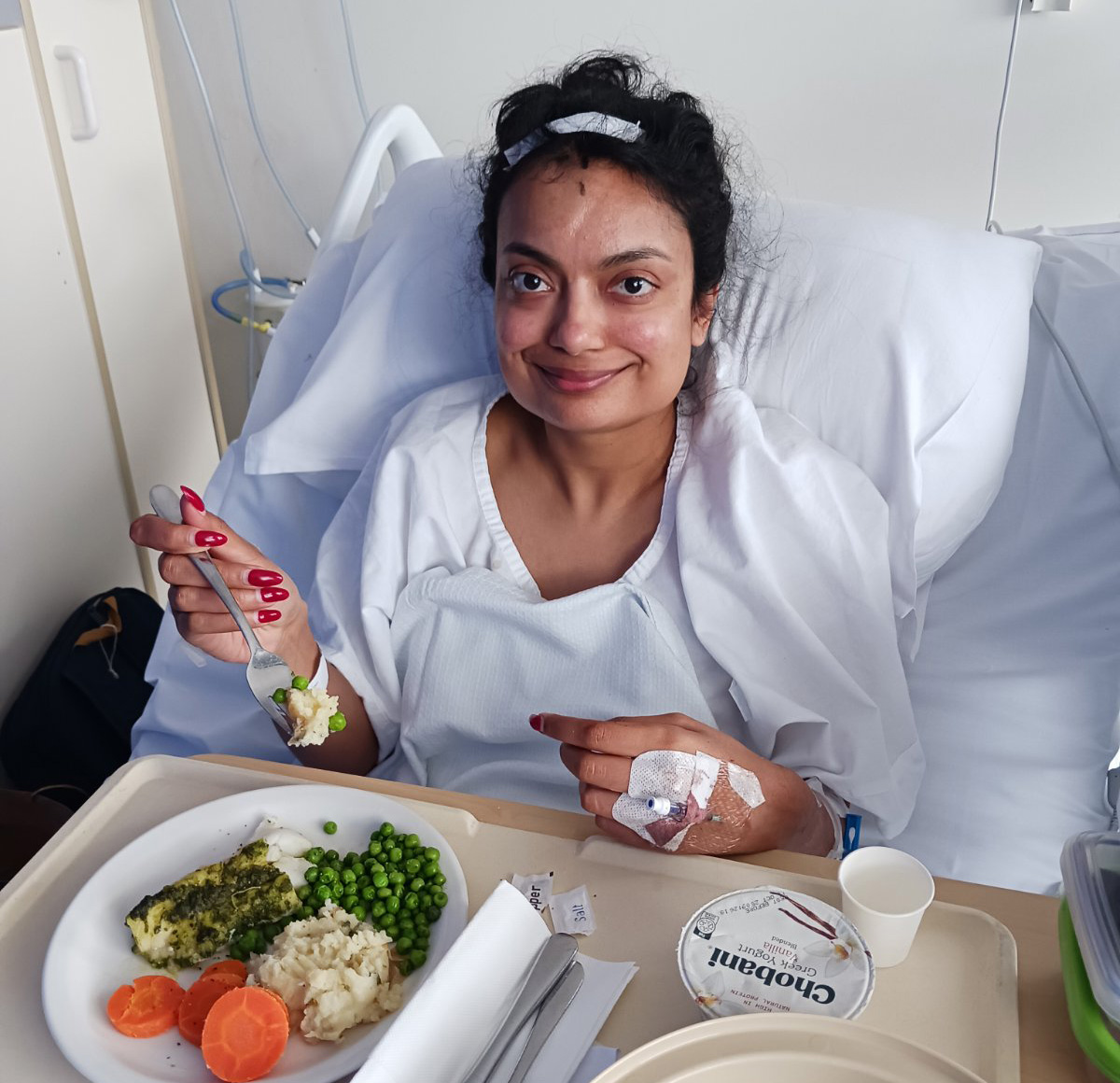
It definitely felt strange lying in a hospital bed when I didn’t feel “sick” or injured. Around 3pm (I think) I got sleepy and closed my eyes. I think my eyes were only closed for a minute or two and suddenly a porter appeared. “It’s time to go, are you ready?”. I was not ready, so my sister quickly helped me change into the hospital gown and then I sat back in the hospital bed. I had no sense of direction as I was being wheeled through the hospital towards the operating theatre.
The kind porter said to me as he wheeled me away from my family, “Laugh…that’s the secret. Everything will be okay.” Those few words felt very comforting. The next part was not so comforting. The three anaesthetists were very kind and friendly, however, being poked and prodded as multiple cannulas are inserted into your hands, arms and wrists can only be described as uncomfortable. I was relieved when that part was over. The last thing I remember is multiple tubes and wires hanging off my body – connected to machines and IV’s, and the anaesthetist telling me to take deep breaths.
My family waited for hours…
When I woke up, I moved my hands and feet to check that I wasn’t paralysed at all. I slowly opened my eyes and realised I was in the ICU. My throat was dry. My head was sore and my scalp felt tight where the stitches in my head were. My family was allowed to briefly visit me – but not all together. It was hard saying goodbye, knowing that I would not speak to or see them until the next day. It was somehow the longest but also fastest night of my life. I couldn’t really sleep because my nurse had to check on me every 2 hours. This included shining a light into my eyes, measuring my blood pressure, asking me questions, and checking my hand and feet mobility. After 2 nights of barely sleeping, I couldn’t wait to have a proper night of sleep. I don’t know if it’s normal but, I’m pretty sure the next morning I hallucinated during my post-surgery MRI, due the lack of sleep combined with strong pain killers and anaesthesia.
After a few days in hospital I was able to go home. I was so glad there weren’t any complications from my surgery, but I was still very aware that I did not know what kind of tumour I had…so I was prepared for bad news. I had to wait about 2 weeks to meet with my neurosurgeon for my follow-up appointment. Unfortunately, he didn’t know exactly what kind of tumour I had. No one knew. He told me that the pathologist had to complete more tests because it looked like a very rare/unique tumour. After undergoing brain surgery, waiting 2 weeks and having a follow up meeting – we still didn’t know what type of brain tumour I had. However, based on what my neurosurgeon saw when he removed the tumour, he said it was likely I would need radiation treatment. But I couldn’t begin treatment until the pathologists were certain.
My neurosurgeon is very compassionate and he apologised several times for not having a clear answer. “The waiting is the hardest part,” he said.
So I waited another 2 weeks. I received a phone call from the neurosurgeon, his instincts were right. He informed me and my family that I had a Grade 4 Glioma (the highest grade- meaning it grows very fast). I didn’t react in a very emotional way…I was mentally prepared for the worst case scenario. Now that it was here, I felt a bit numb. There is no right or wrong way to react to such news. I also considered myself lucky to be surrounded by so much support. My neurosurgeon contacted the radiation oncologist and neuro-oncologist on my behalf, so I didn’t need to plan anything. I just waited to be called by receptionists to set up appointments. Everything seemed to happen very fast.
I was told the standard of care is 6 weeks of radiation and oral chemotherapy (Temozolmide). I didn’t really think about it, I just agreed to go ahead with treatment as soon as possible. I was contacted by a fertility specialist who told me I could freeze my eggs if I wanted to, because cancer treatment “might” impact fertility in the future. This was something I never thought about before. I decided not to go ahead with that – I didn’t want to delay cancer treatment by a week for a “might” or “maybe” scenario. I will always choose my own health needs before any possible offspring.
Treatment
Treatment was okay at the beginning. You don’t have any side effects at first when you have radiation treatment and I took anti nausea tablets for the chemo. So my biggest side effect in the beginning was constipation. Which I would hands down prefer over vomiting any day. As the weeks progressed, the fatigue began. Then the dry mouth. Then the hair-loss and sensitive skin from the radiation. The last 2 weeks of treatment were the hardest. I had heartburn, lost my appetite, and struggled to eat anything that wasn’t fruit, crackers or toast. I felt dehydrated most of the time so I drank hydralyte every day. For 6 weeks most of my days consisted of going to appointments, going home, watching TV and doing light exercise/walking. Just going out for a quick lunch seemed to take all the energy out of me. Even after treatment ended it took a few weeks for the major side effects to stop and for my appetite to return. The fatigue, dry skin and radiation sunburn lasted longer. Even a month after radiation treatment ended I got radiation dermatitis – which I was not prepared for.
After 6 more cycles of oral chemo (Temozolomide), I am not undergoing any treatment at the moment. Months after ending treatment I still experience fatigue, rashes on my skin, inflammation and joint pain. Of course, there are many other long term side effects of cancer treatment, but I can’t list them all here because it varies for each person.
HOPE
I’m very lucky to have a supportive family which gave me a lot of strength when undergoing and recovering from cancer treatment. Friends and family visit me during and after treatment. I feel so grateful to have people that care about me and take time out of their busy life to spend time with me. That was my biggest source of hope. Being surrounded by people who cared for me, made me laugh and just spent time with me so I felt less alone during the most challenging part of my life. I know not everyone has a strong support system in place. So I consider myself extremely fortunate.
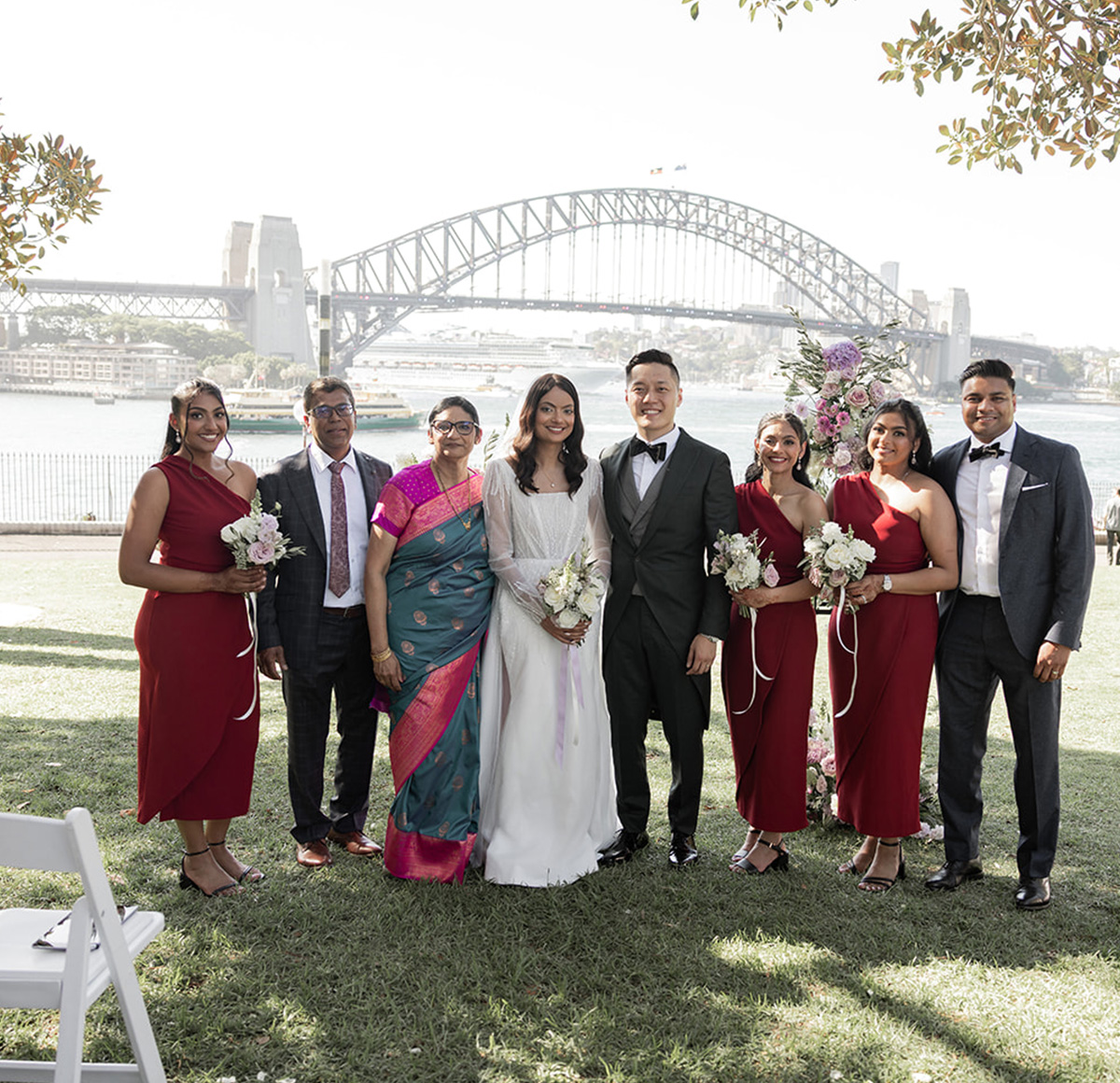
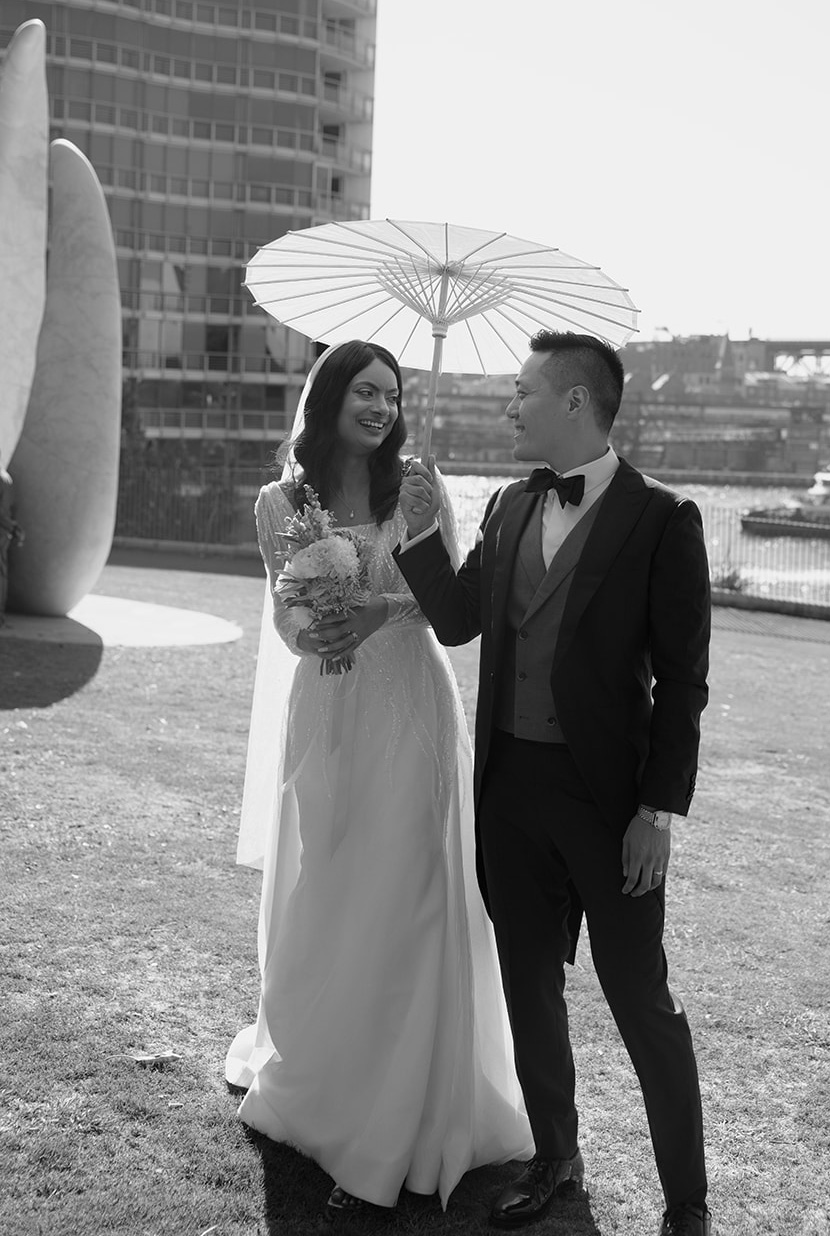
I was also in the middle of planning my wedding when I was diagnosed and undergoing treatment. I am very lucky that I was able to go ahead with my wedding exactly as I planned. Being surrounded by friends and family during that time created an uplifting and positive environment. It was hard not to feel happy and hopeful!
In the months following treatment, being able to connect with other people who are living with cancer has given me a lot of hope. It is amazing to live in a time where we can all connect so easily. Using social media to keep in touch with others who are experiencing something similar to me is priceless. It makes a huge difference to be able to share your experience with people who can relate to you. It is also great to see other people with cancer out in the world living their life!
THE BIGGEST CHALLENGE
I think one similarity between most people living with cancer is the uncertainty/worry/anxiety while you wait.
Waiting for results
Waiting for surgery
Waiting for MRI’s
Waiting for doctor/specialist appointments
It feels like you’re always waiting for something.
I had to wait a long time to get any conclusive test results for my tumour type.
Even though my tumour was treated with the standard of care. The truth is, I still don’t have a name for my tumour. During treatment, I paid out of pocket for further testing. Even after further testing was completed at several labs, the pathologists couldn’t name my tumour. So, my tumour is known as- Short name:
Diffuse pediatric-type high grade glioma, RTK1 subtype, subclass C.
What a catchy name!
Not only is the name difficult to understand, but you need to do a lot of research/ask a lot of questions to actually understand what it all means. To be honest I don’t fully understand it all.
WHAT CHANGE WOULD HAVE MADE THE BIGGEST DIFFERENCE
The most impactful change would be universal, free access to comprehensive diagnostic testing. No patient should be forced to pay out of pocket simply to discover what type of cancer they have. While I am not a pathologist or research specialist, I strongly believe everyone has a right to know their specific diagnosis. Because my tumour was so rare, my oncology team could not be certain whether standard treatment protocols would be effective. Like so many others facing brain cancer, I was told we simply had to wait and see if the treatment worked.
Increased research funding is essential — not only to develop more personalised treatments, but also to create non-invasive diagnostic tools. After several follow-up MRIs, I was repeatedly told that the results were inconclusive, leaving doctors uncertain whether they were seeing potential tumour recurrence or pseudo-progression caused by radiation and chemotherapy. The only way to confirm the difference was through invasive brain surgery. Brain cancer patients should not have to undergo additional surgery just to determine if a tumour is growing.
Greater investment in research could spare patients like myself from invasive procedures and provide a safer path for monitoring our condition.