
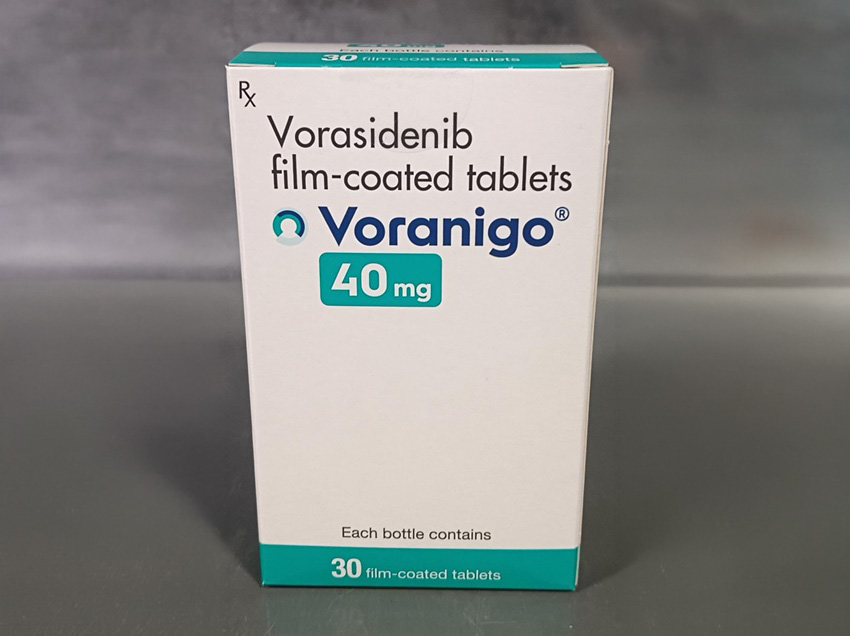
Australians living with IDH-mutant astrocytoma and oligodendroglioma now have subsidised access to Voranigo (vorasidenib), following its listing on the Pharmaceutical Benefits Scheme (PBS) from 1 August 2026.
The Australian Government has described Voranigo as the first new treatment in 20 years for these rare brain cancers – marking an important and long-awaited development for patients and families who have faced limited treatment options.
A new targeted treatment option
Voranigo is a targeted therapy designed to act on the genetic mutations that drive tumour growth in IDH-mutant astrocytoma and oligodendroglioma, helping to slow disease progression.
Under the PBS listing, Voranigo is available to eligible adults and adolescents aged 12 years and over who meet specific clinical criteria, including having a susceptible gene mutation and not having previously received systemic anticancer therapy or radiotherapy.
Before PBS subsidy, treatment could cost patients around $28,000 for a 30-day supply. Eligible patients will now pay no more than the standard PBS co-payment.
For patients and families, this is more than a change in the cost of a medicine. It provides access to an important new treatment option and represents progress in an area where new therapies have been desperately needed.
Our community helped make this possible
BTAA and representatives of the Australian Brain Tumour Collaborative (ABTC) were in Adelaide as this significant announcement was made, alongside clinicians, researchers and government representatives.
Importantly, this milestone belongs to the broader brain tumour community.
Patients, families and carers shared their lived experience, contributed submissions and advocated for access to new treatments. Those voices helped demonstrate the need for new options for people living with IDH-mutant glioma.
To everyone who shared their story, made a submission, participated in advocacy or helped raise awareness – thank you. Your voice matters.
Progress shows what is possible
The listing of Voranigo demonstrates what can be achieved when patients, families, clinicians, researchers, advocacy organisations and government work together.
It also reinforces why continued investment in brain tumour research, clinical trials and access to emerging treatments remains so important.
Around 135 Australians are estimated to be diagnosed with IDH-mutant astrocytoma or oligodendroglioma each year, and the Australian Government expects the new listing to benefit patients living with these rare cancers.
For BTAA, the goal is for Voranigo not to be an exception, but part of a growing pipeline of new and more effective treatment options for people diagnosed with brain tumours.
We will continue working with our community and through the Australian Brain Tumour Collaborative to advocate for research, equitable access to treatments and clinical trials, coordinated care and better outcomes for every Australian affected by a brain tumour.
This is an important step forward – and a reminder of what is possible when our community speaks with a strong, united voice.
Read the Australian Government announcement: August PBS listings include first new treatment in 20 years for rare brain cancer